


The Importance of Intercultural Training for Newcomers in Canada
Intercultural readiness is not just beneficial for newcomers; it strengthens Canada’s social cohesion, workplace productivity, and long-term economic growth.
Welcome to the first of Our 3 part blog series.
Part 1 : The Importance of Intercultural Training for Newcomers in Canada
Part 2: To belong here, we must first understand the people who belong here.
Part 3: Intercultural Training is Intracultural understanding
Intercultural training for Newcomers in Canada is not just a useful add‑on to settlement services; it is a foundation for real belonging. It connects individual migration journeys with the deeper story of this land, its First Peoples, and the many waves of newcomers who have shaped Canada over generations.
To belong in Canada, we must first learn about those who first belonged HERE.
Intercultural Training is Intracultural understanding

Canada is one of the world’s most multicultural nations, where people from every continent live, work, and build communities together. Yet, moving to a new country involves more than finding housing or a job — it means learning a new cultural rhythm. Intercultural training for Newcomers helps newcomers navigate that adjustment process with awareness, confidence, and meaningful connection.
Research consistently shows that newcomers who receive early settlement and intercultural orientation integrate up to 35% faster into employment and community life.
This makes intercultural training one of the most effective — and most overlooked — tools for long-term integration success.
Why intercultural training matters
Canada is one of the world’s most multicultural nations, but arriving here means learning far more than a new address or job market. Intercultural Training for Newcomers helps you learn a new cultural rhythm: how people communicate, make decisions, resolve conflict, and build relationships. Intercultural training creates a safe space for newcomers to explore these “unwritten rules,” ask questions, and practice new skills, so daily life feels less confusing and more empowering.

Facilitating Integration and Belonging
Intercultural training plays a central role in helping newcomers understand Canadian societal norms, values, and social expectations.
From how people communicate in daily interactions to how decisions are made at work, these cultural “unwritten rules” often take time to learn. Structured training allows newcomers to explore these nuances in a supportive environment, helping them integrate more smoothly into their communities.

Belonging begins with the land
“To truly belong here, you must understand the people who first belonged here.” This vision of belonging moves beyond immigration forms and legal status and places relationship at the centre—relationship with Indigenous Nations, with the land itself, and with the histories newcomers are entering into.
When intercultural learning begins with Indigenous histories, treaties, territories, and contemporary realities, newcomers gain a clearer understanding that Canada exists on Indigenous lands and that reconciliation is an ongoing, shared responsibility rather than a one‑time event.
Our Intercultural training for Newcomers frames intercultural training around “Indigenous roots, newcomer journeys, shared futures” reveals Canada’s story as layered, interconnected, and still unfolding.
Newcomers are invited to see their own arrival not as a separate or competing story, but as part of a long continuum of movement, resilience, and change. This perspective deepens respect, challenges stereotypes, and opens pathways to genuine solidarity with First Nations, Inuit, and Métis communities, strengthening the foundation for shared futures built on reciprocity and mutual care.

Programs like Language Instruction for Newcomers to Canada (LINC) combine language learning with cultural orientation. Participants not only improve their English or French but also learn about Canadian laws, rights, workplace culture, and civic participation. These courses are in high demand precisely because they help newcomers build both linguistic and cultural fluency — key ingredients for social and economic integration. However, due to funding and capacity limits, newcomers sometimes face delays in accessing these programs, highlighting the need for greater investment in cultural training and orientation supports.

Enhancing Employment Opportunities
Adapting to Canadian workplace culture can be one of the biggest adjustments for newcomers.
Workplaces in Canada often value teamwork, punctuality, initiative, and open communication — concepts that may differ from norms elsewhere. Intercultural training helps newcomers understand these expectations, advocate for themselves, and navigate job searches and interviews with greater success.
Research has shown that newcomers who undergo training on workplace culture integrate into the labour market more quickly and report higher job satisfaction. Meanwhile, many still face barriers such as education–occupation mismatch or overqualification. By clarifying how credentials are recognized and explaining professional norms, intercultural training can narrow these gaps and open pathways to meaningful employment.
Supporting Families and Community Connections
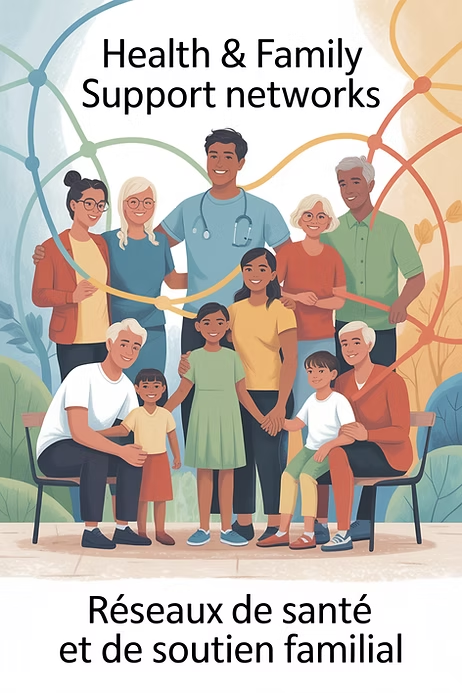
For families, especially those with children, cultural adaptation happens on multiple levels. Parents must balance their own learning with helping their children adjust to new school systems and social norms. Intercultural training helps families understand Canadian family values, education systems, and community expectations, contributing to a smoother transition and stronger sense of belonging.
Children also benefit when their parents feel equipped to engage confidently with teachers, community organizations, and public services. This creates ripple effects of inclusion, strengthening the social fabric of communities across Canada.

A Foundation for a Diverse and Inclusive Future
With Canada’s foreign-born population growing steadily every year, intercultural training is not optional — it is essential. It helps reduce culture shock, bridge communication gaps, and promote mutual respect. More importantly, it provides newcomers with the practical and emotional tools they need to thrive as active, confident members of Canadian society.
In the long run, these programs benefit everyone: newcomers gain a sense of belonging and success, while communities and workplaces become more innovative, inclusive, and globally minded. Intercultural training, therefore, is not just an educational exercise — it’s an investment in Canada’s social cohesion and shared future.

Join our Monthly Complimentary Newcomer Zoom Session—a free, one‑hour online orientation that gives you a clear, practical roadmap for your first steps in Canada. Conditions apply and spaces are limited, so eligibility is required.
Learn what to prepare, how to stay safe, and where to find trusted support as you settle, all in a friendly, no‑pressure environment.
Read more about eligibility and sign up here:
An A.H.O.M - RMC and C.N.E.P Collaboration
A.H.O.M‑RMC and C.N.E.P are joining forces to offer newcomers a seamless pathway from arrival to long‑term integration in Canada.
Together, this collaboration bridges practical relocation support with settlement coaching, intercultural training, and financial and employment readiness services, creating a unified ecosystem of care around each newcomer household.
The shared A.H.O.M x C.N.E.P identity signals a commitment to dignity, plain‑language guidance, and community‑rooted solutions so that newcomers are not navigating housing, work, and belonging alone, but with a coordinated team walking beside them every step of the way.


Comments